What Is a Good Credit Score?
Have you ever heard the phrase “Your credit score isn’t good enough” and felt frustrated or confused? You’re not alone. This little three-digit number can play a big role in your life—whether you’re applying for a loan, buying a car, or even renting an apartment.
But what is a good credit score, really? Let’s talk about it in plain, honest words.
What Is a Credit Score and Why Does It Matter?
Think of your credit score like a trust score. It tells banks and lenders how likely you are to pay them back on time. Your score is based on your past money habits—like how often you pay bills, how much debt you have, and how long you’ve had credit.
A good score can help you get approved for loans with better interest rates. A low score, though, might make things harder. But here’s the good news: your score isn’t permanent—you can always work to improve it.
So, What Counts as a Good Credit Score?
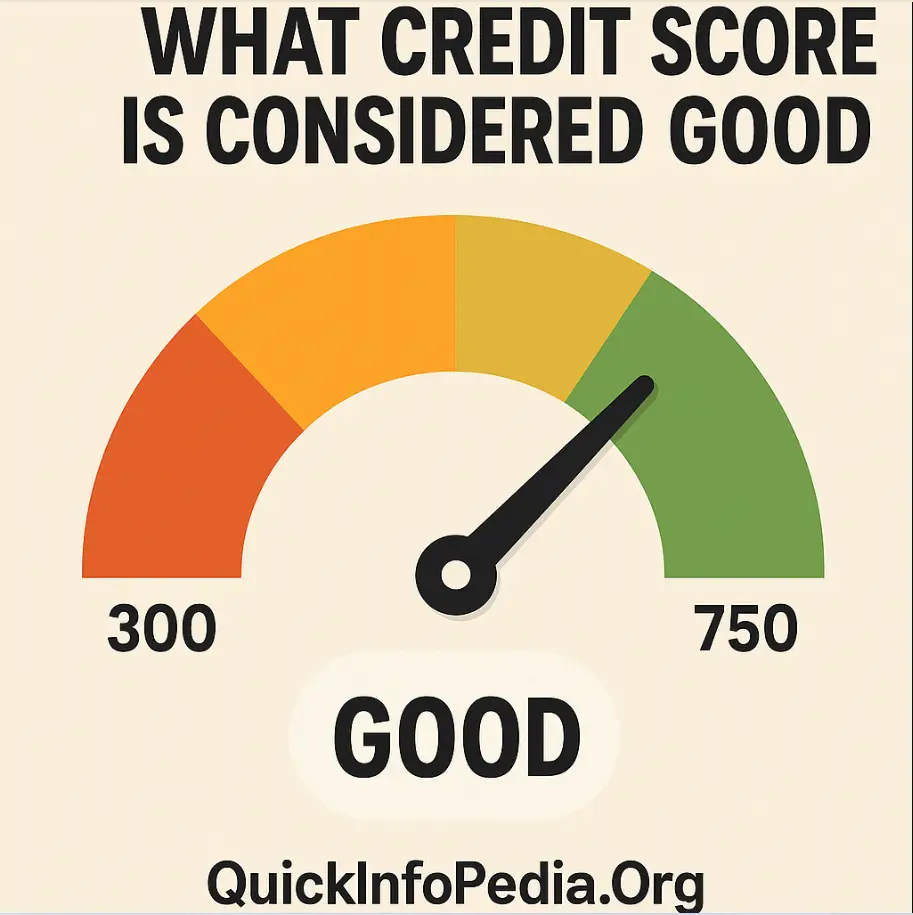
Here’s a simple breakdown of score ranges:
| Score Range | Level | What It Means |
|---|---|---|
| 300 – 579 | Poor | High risk—hard to get approved |
| 580 – 669 | Fair | Might get approved, but not the best deals |
| 670 – 739 | Good | Most lenders will say yes |
| 740 – 799 | Very Good | Great offers and lower interest rates |
| 800 – 850 | Excellent | Top-tier—best rates and quick approvals |
Most lenders consider 670 and above as “good.”
Credit Report vs Credit Score: There’s a Difference
Your credit score is just a number. But your credit report shows the details—like missed payments, late fees, or past debts. Even with a decent score, a messy report could cause problems.
So don’t just check your score—look at your full report too.
What’s the Average Credit Score by Age?
Here’s how scores typically look across different age groups:
| Age | Average Score |
|---|---|
| 18–24 | 630 |
| 25–34 | 670 |
| 35–44 | 690 |
| 45–54 | 705 |
| 55+ | 740+ |
If you’re young, don’t stress about a low score. You’re still building your financial story.
How Is Your Credit Score Calculated?
Credit scores are mostly based on this breakdown:
- 35%: Payment history
- 30%: Amount of money you owe
- 15%: How long you’ve had credit
- 10%: New credit applications
- 10%: Mix of credit types (like cards and loans)
The most important part? Paying bills on time and keeping balances low.
Easy Ways to Improve Your Credit Score
You don’t need to be a finance expert to raise your score. Try these simple tips:
- Always pay your bills on time
- Try to keep your credit card balance under 30% of the limit
- Don’t close your oldest credit card
- Only apply for new credit when you really need it
- Use a mix of credit—like a card and a small loan
It takes time, but it works. Every smart step helps.
What’s a Good Credit Score for a Loan or Mortgage?
Here’s what most lenders look for:
- For a home loan, aim for 740+, but you might qualify with 620 or above—you’ll just pay more in interest
- For a car loan, 660+ is usually enough, but again, better scores = better deals
So yes, 700 is a good credit score in most cases!
Mistakes Happen—Don’t Be Too Hard on Yourself
We all make money mistakes. Maybe you missed a payment or had to max out a card during tough times. That doesn’t mean you’re bad with money—it means you’re human.
The important part is learning and moving forward. You can always rebuild.
Final Thoughts: Your Score Isn’t Your Worth
Your credit score is important, but it’s not the whole story. It doesn’t measure your dreams, your goals, or how hard you work. It’s just a tool—and with time and effort, you can make it work for you.