Understanding Cholesterol Levels: What They Really Mean for Your Health
Getting your cholesterol levels checked can feel confusing or even scary. But cholesterol isn’t all bad—it’s something your body needs to stay healthy. The key is knowing what those numbers mean and how to keep them in a good range to protect your heart.

What Is Cholesterol and Why Should You Care?
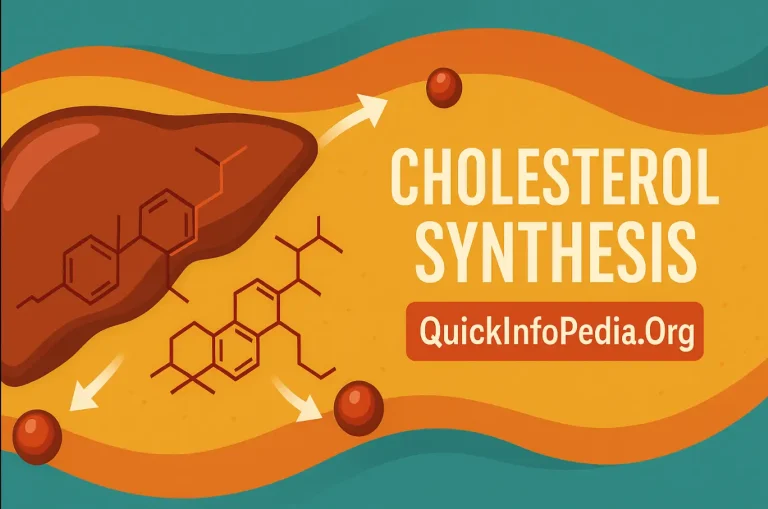
Cholesterol is a fatty substance found in every cell of your body. It helps build cells, make hormones, and digest food. Your body makes most of the cholesterol it needs, but what you eat can also affect your levels. When cholesterol builds up too much, it can cause problems.
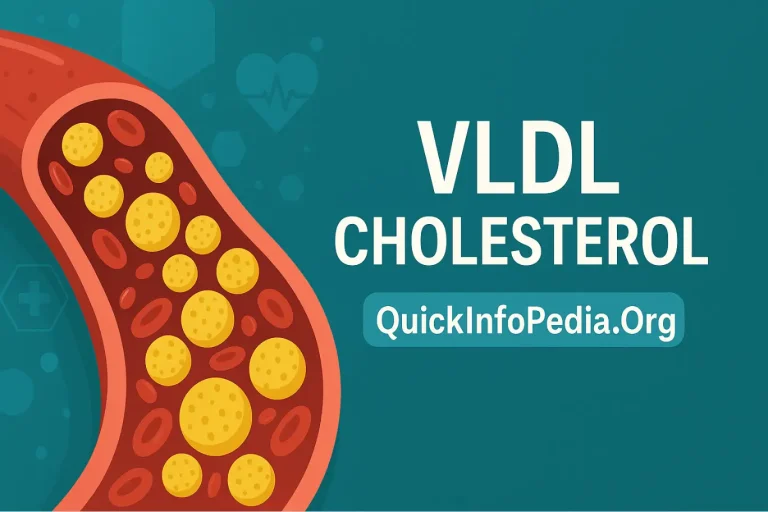
Doctors measure your cholesterol by checking total cholesterol, LDL (the “bad” kind), HDL (the “good” kind), and triglycerides in your blood. These numbers help show how healthy your heart and blood vessels are.
What Are Healthy Cholesterol Levels?
Here’s a simple idea of what good numbers look like:
- Total cholesterol: below 200 mg/dL
- LDL (“bad”) cholesterol: under 100 mg/dL
- HDL (“good”) cholesterol: above 60 mg/dL
- Triglycerides: less than 150 mg/dL
Remember, these numbers can change based on your age and health. Your doctor can help explain what’s best for you.
The Difference Between Good and Bad Cholesterol
HDL cholesterol is your friend—it helps clear away bad cholesterol from your arteries. Higher HDL usually means better heart health.
LDL cholesterol is the troublemaker. Too much LDL can clog your arteries and raise your risk of heart disease.
Can You Tell If Your Cholesterol Is High?
Sadly, high cholesterol doesn’t usually cause symptoms. Many people don’t know their levels are high until a doctor tells them or they have a heart issue. That’s why regular checkups are so important.
Is Low Cholesterol Ever a Problem?
While high cholesterol is a big concern, very low cholesterol can sometimes cause issues too. It can affect hormones and mood. Like many things in health, balance matters.
How to Lower Cholesterol Naturally
If your cholesterol is high, don’t panic. Small lifestyle changes can help a lot:
- Eat more fiber: oats, beans, fruits
- Choose healthy fats like olive oil, nuts, and avocados
- Move your body regularly—even a daily walk helps
- Stop smoking and limit alcohol
- Keep a healthy weight
These changes take time and effort, but every little bit helps.
Best Foods to Help Lower Cholesterol
Try adding these to your meals:
- Whole grains like oats and barley
- Fatty fish such as salmon or mackerel
- Nuts like almonds and walnuts
- Fresh fruits and leafy greens
- Foods with plant sterols (found in some fortified products)
Eating well doesn’t have to be boring—find recipes you enjoy!
How Cholesterol Affects Heart Health
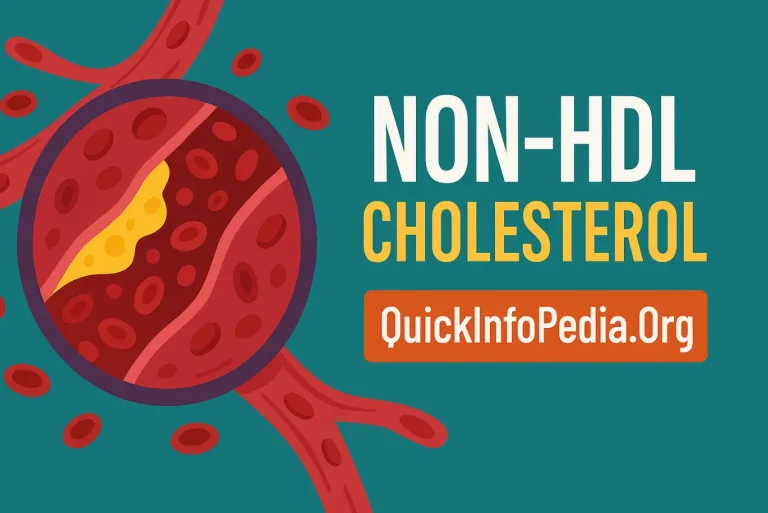
High LDL cholesterol can cause plaque to build up in your arteries, which isn’t good for your heart. But remember, cholesterol is just one piece. Things like blood pressure, smoking, diabetes, and exercise also matter a lot.
Common Misunderstandings About Cholesterol
Not all cholesterol comes from what you eat. Foods like eggs don’t always raise your cholesterol as much as you might think. And don’t focus only on numbers—look at your overall health.
What to Do After Getting Your Cholesterol Test Results
Talk with your doctor about what your numbers mean. Ask how often you should test, and what changes you can make that fit your lifestyle.
Taking Control of Your Cholesterol and Health
Managing cholesterol is a journey, and it’s okay to take it one step at a time. Even small changes can lead to big benefits. You’re not alone in this, and every effort you make counts toward feeling better and living healthier.