What Blood Tests Are Done on NHS Health Check? A Friendly Guide
Have you ever wondered what blood tests you’ll have when you go for an NHS health check? Maybe you’ve been invited but feel a bit unsure about what happens. Don’t worry — this guide will gently walk you through what to expect and why these tests matter for your health.

Why Are NHS Health Checks So Important?
The NHS health check is a free health screening for adults aged 40 to 74 in England. Its goal is to find early signs of common but serious health issues like heart disease, diabetes, kidney problems, and stroke risk. Blood tests are one of the most important parts because they show what’s happening inside your body — often before you even feel unwell.
If you’ve been putting off your health check, understanding these tests might encourage you to take that step. It’s a small moment that can make a big difference.
Which Blood Tests Will You Have?
During your NHS health check, the nurse or doctor will take a small blood sample to run a few important tests. Here’s what they usually look for:
1. Cholesterol Test
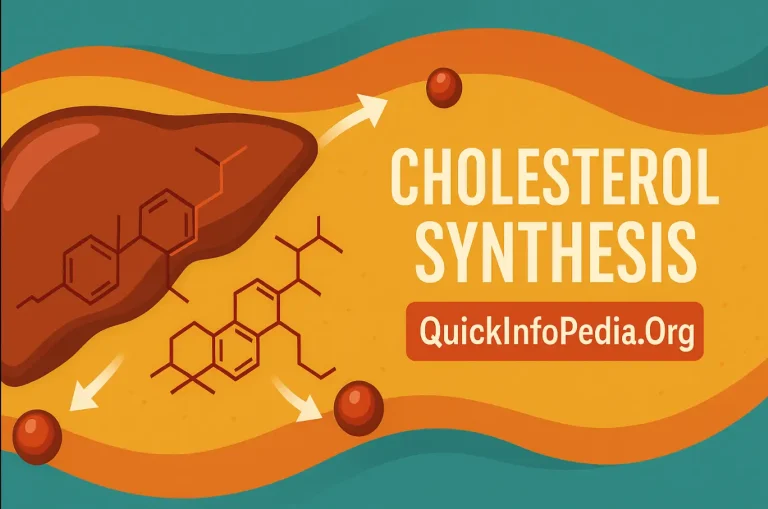
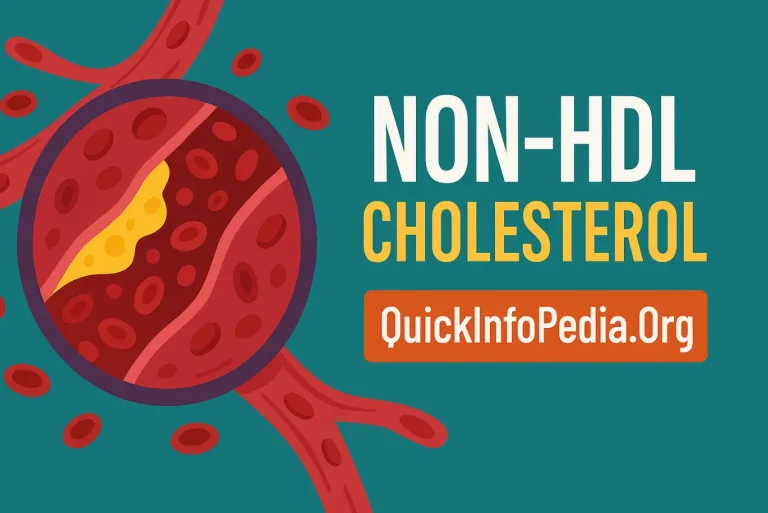
This test checks your cholesterol — the fat in your blood. It measures the “bad” cholesterol (LDL) that can clog your arteries, and the “good” cholesterol (HDL) that helps keep your heart healthy. High bad cholesterol can raise your chance of heart problems, but the test helps spot that early.
2. Blood Sugar Test
This test looks at your blood sugar to see if you might have diabetes or be at risk of it. Diabetes often doesn’t show obvious signs at first, so catching it early means you can make changes that really help.
3. Kidney Function Test
Your kidneys clean waste out of your blood, but sometimes they can have trouble without obvious symptoms. This test checks how well they’re working by measuring certain chemicals in your blood.
4. Liver Function Test
Your liver does a lot of important jobs, like cleaning toxins from your body. This test checks if your liver is healthy by measuring special enzymes in your blood. It can help find problems before you notice any symptoms.
5. Full Blood Count (FBC)
This test looks at all the different cells in your blood — red cells that carry oxygen, white cells that fight infection, and platelets that help with clotting. It can reveal issues like anemia or infections that you might not realize you have.
What Happens During These Blood Tests?
A healthcare professional will take a small sample of blood, usually from your arm. It might pinch a little, but it’s quick and over before you know it. If you feel nervous, that’s completely normal! Remember, it’s a small moment that gives you important information about your health.
The blood is then sent to a lab for testing. Your results usually come back within a few days or weeks, and your healthcare provider will explain what they mean and what you can do next.
Common Myths About NHS Health Checks
Some people think if they feel okay, they don’t need a health check. But many serious conditions don’t have symptoms early on — that’s why these tests are so helpful.
Others worry the tests are complicated or scary. In truth, they’re simple and fast, and the benefits far outweigh any brief discomfort.
What Do Your Test Results Mean?
Blood test results can be confusing. For example, cholesterol results include several numbers — total cholesterol, LDL, HDL, and triglycerides — each telling a different story.
High cholesterol doesn’t mean something terrible is about to happen, but it does mean it’s time to think about healthy changes, like diet or exercise.
Slightly raised blood sugar might not mean full diabetes, but it’s a warning to take action early.
Why You Shouldn’t Skip Your NHS Health Check
Missing your NHS health check means missing out on a chance to catch health issues early when they’re easier to manage.
These blood tests give your doctor a peek inside your body — helping prevent problems before they start.
Take Care of Yourself — Book Your NHS Health Check
If you’ve been delaying your health check, now is the time to book it. These blood tests are powerful tools to keep you healthy.
They aren’t just numbers on a page — they’re clues about your well-being and how you can live a longer, happier life.
So when you get your invitation, don’t ignore it. Your future self will be grateful you took this simple but important step.