What Is Financial Planning? Your Friendly Guide to Taking Charge of Your Money
Have you ever felt a little lost when it comes to your money? Maybe you worry if you’re making the right choices or if you’ll be okay in the future. You’re definitely not alone. Lots of people feel this way. That’s why financial planning is so important — it’s like having a helpful roadmap for your money and your life.
Financial Planning Made Simple
At its heart, financial planning means figuring out what you want to achieve with your money and making a clear plan to get there. It’s not just about saving or cutting costs — it’s about creating a plan that fits you and your life perfectly.
You might think this is only for people who are really rich or experts in finance, but honestly, financial planning for beginners is something anyone can do. No matter where you are in life, having a plan helps.
Why Does Financial Planning Matter?
Imagine trying to get somewhere new without directions — it would be stressful and confusing, right? The same goes for your money. Without a plan, it’s easy to get off track, overspend, or miss chances to grow your savings.
Good financial planning helps you:
- Know what your real priorities are — like buying a home, saving for a trip, or preparing for retirement
- Build a safety net for emergencies
- Manage debt so it doesn’t overwhelm you
- Feel confident and in control of your money
Skipping this step can leave you feeling anxious or stuck.
How To Start Financial Planning: Easy Steps
It’s okay if it sounds complicated — breaking it down helps. Here’s a simple way to start:
- Look at where you stand now — what you earn, owe, and own
- Set clear goals — what you want to achieve soon and later
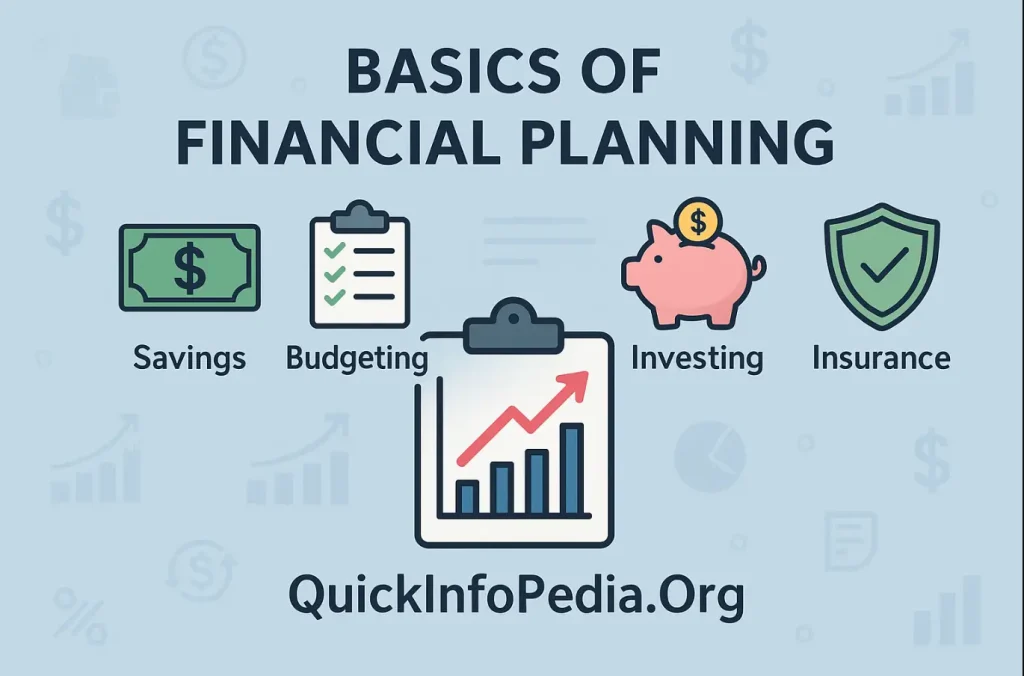
- Make your plan — decide how you’ll save, invest, and protect your money
- Take action — start budgeting and putting your plan in motion
- Check in and adjust — life changes, so your plan should too
Following these steps gives you control and peace of mind.
Mistakes Happen — And That’s Okay
Nobody gets it perfect right away. Some common slips include:
- Not having an emergency fund
- Underestimating monthly costs
- Forgetting to update your plan as life changes
- Relying too much on credit cards
Knowing these helps you avoid them and learn as you go. Progress, not perfection, is what counts.
Your Plan, Your Way
Everyone’s financial situation and dreams are different. Your personal financial planning should reflect who you are and what matters most to you. Whether you want to do it yourself or get advice, your plan should feel right for your life.
Handy Tips to Keep You Moving Forward
Here are some easy tips to help you on your way:
- Keep track of what you spend
- Set up automatic savings so it happens without thinking
- Spread out your investments to lower risk
- Review your insurance to stay protected
- Make goals that feel doable and clear
These small steps add up over time.
More Than Just Money
Good financial planning isn’t just about numbers. It’s about feeling less stressed and more confident. When you know your plan, making daily money decisions feels easier — and that makes life better.
Ready to Take That First Step?
Remember, financial planning is a journey you grow with. It takes time and a bit of patience, but it leads to a brighter, more secure future. Starting might be as simple as writing down your goals or tracking your spending for a week.